
🔍 Quick Highlights
- The PVC ban will impact the structure of food and export packaging.
- Alternative solutions focus primarily on laminated materials and structural design.
- Early transition reduces regulatory and supply chain risks.
Taiwan officially banned PVC packaging for food use starting July 1, 2023. While this policy has been in effect for over three years, many food manufacturers and beverage plants are still evaluating or planning their transition strategies.
This article will help you understand this shift by examining the current situation, alternative options, supplier evaluations, and specific action steps.
Table of Contents
I. Why Pay Attention to the PVC Ban Now ?
The PVC ban is not a future event; it is already a reality. While PVC food packaging can still be seen on the market, these are mainly products manufactured before the ban that are being gradually phased out through inventory sales. However, for newly manufactured food packaging, PVC is no longer an option.
➤ Delaying the transition brings several practical issues:
Forced delays in time-to-market
Quality issues prone to occur during rushed transitions
Uncertainties in cost control
Conversely, companies that plan ahead can reduce costs and seize market opportunities early.
II. How to Choose Among Three Alternative Materials
When transitioning to PVC-free alternatives, businesses face several choices. Understanding the pros and cons of each option is the only way to find the most suitable solution for your product.
● A-PET Solutions
This is the most direct substitute. It is close to PVC in terms of transparency and moldability, which means most existing PVC molds can be used after adjustment, saving businesses from large-scale reinvestment in tooling.
Costs will increase slightly, with the specific extent depending on market fluctuations. Certification is relatively simple because many manufacturers already have mature experience with food-grade A-PET certification—a major advantage for companies looking to hit the market quickly.
● Composite Laminated Pouches
Ideal for products that require a longer shelf life. These materials perform better in moisture resistance and durability, though costs will increase further, and additional compatibility testing is required.
Laminated pouch designs offer more space for customization, such as adding easy-tear notches or anti-counterfeiting labels, which helps with brand differentiation.
If you have specific requirements for laminated pouch design, eco-friendly packaging manufacturers can typically provide more professional advice.
As for other materials like PP and PE, while their costs are relatively lower, they have clear limitations in molding precision, transparency, or stiffness. In practice, fewer companies adopt these materials because consumers may perceive a difference in quality, making it a case of "penny wise, pound foolish."
The most practical approach is to first evaluate your product characteristics and market demand, then conduct small-batch prototyping with a manufacturer to verify the actual results. Never make decisions based solely on cost figures, as this is often the root cause of quality issues later on.
III. Common Practices During the Transition Process
When communicating transition experiences with enterprises, several practices repeatedly emerge. These are reliable paths validated by those who have already undergone the process.
Early Planning
This is the most important factor. Companies that begin evaluations and decision-making early usually receive better supplier cooperation and more favorable quotes. Conversely, rushing the transition at the last minute often leads to tight production schedules, limited choices, and insufficient quality validation. Starting the evaluation 3–6 months in advance is a more secure approach.
Choosing Pre-Certified Packaging Solutions
This is also a smart move. Rather than opting for entirely new material developments (which can involve long certification timelines), choosing a solution the manufacturer has already certified can significantly shorten the overall process. This also means a manufacturer's certification track record and experience are crucial.
Phased Transition
This is a realistic approach. If you have multiple product lines or numerous SKUs, the transition usually begins with high-volume or high-profit products. This controls risk and provides room for subsequent product optimization, rather than the pressure caused by a full, one-time conversion.
In-Depth Communication with Manufacturers
The key lies in transparency and the intention of long-term cooperation. A good manufacturer is willing to align with the company's timeline, providing prototyping support and technical assistance, which is far more valuable than a supplier just looking for a quick sale. Annual framework contracts are also important in this process, as they guarantee commitments from both parties.
IV. Facing the PVC Ban, Manufacturer Readiness is Critical
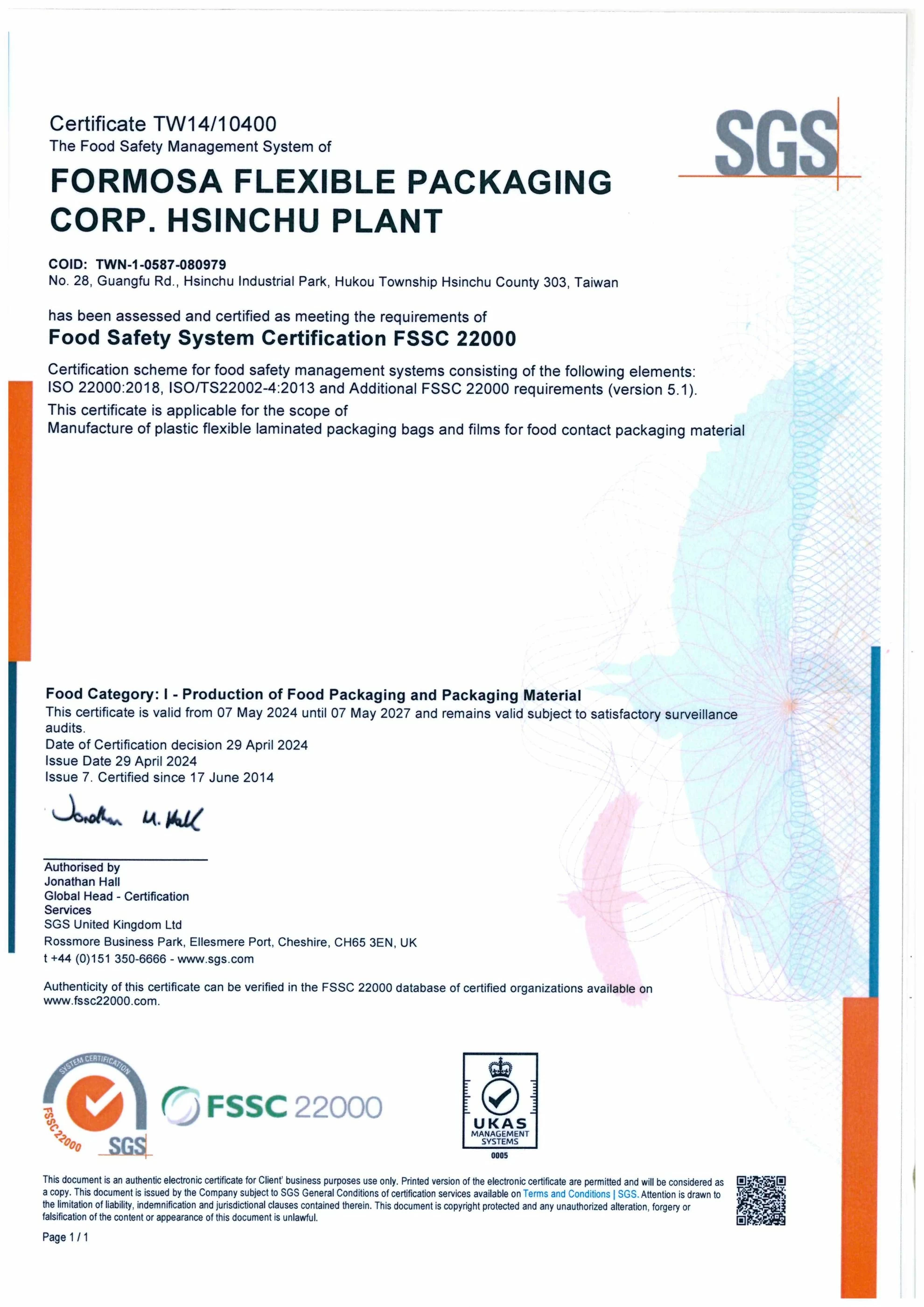
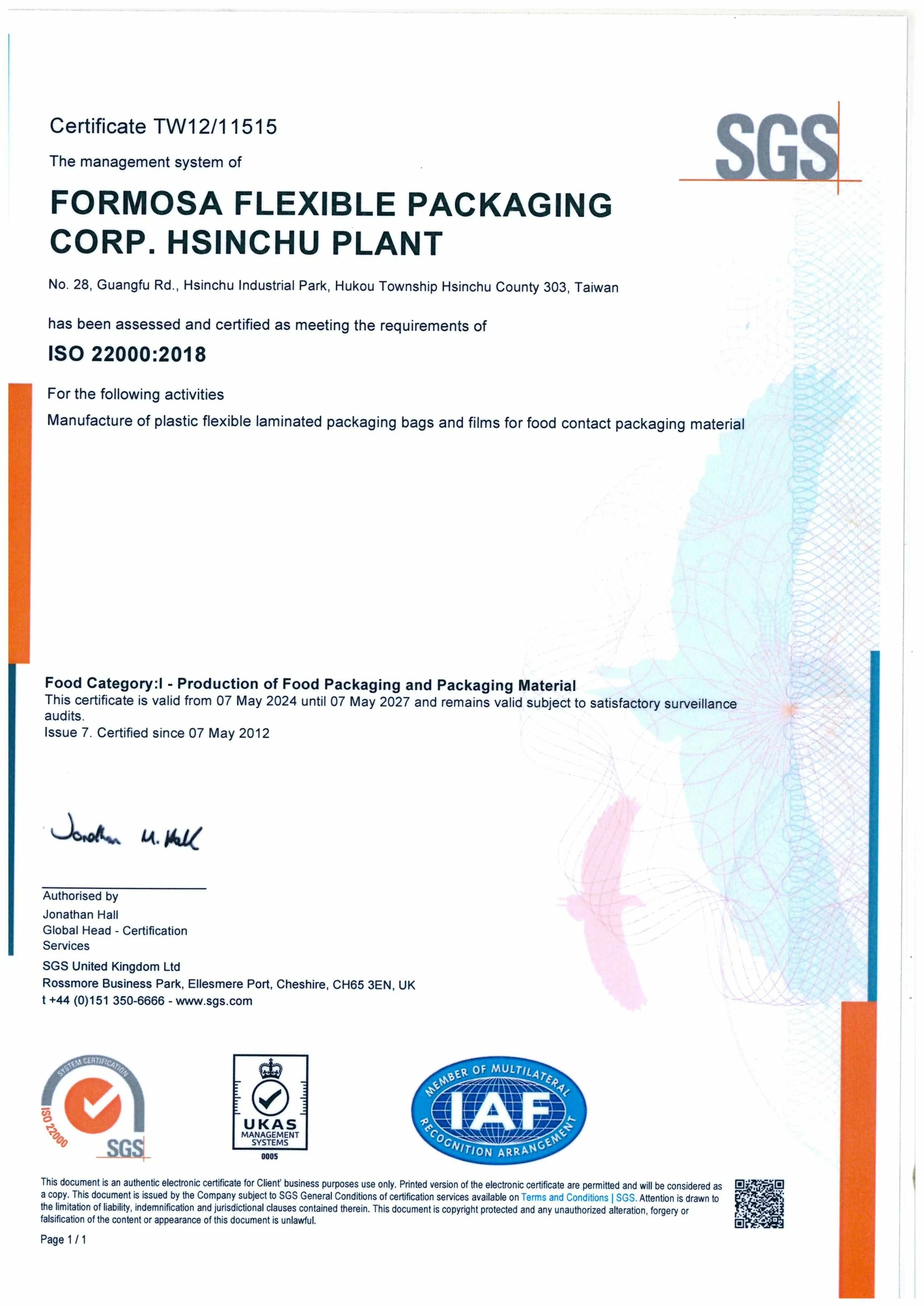
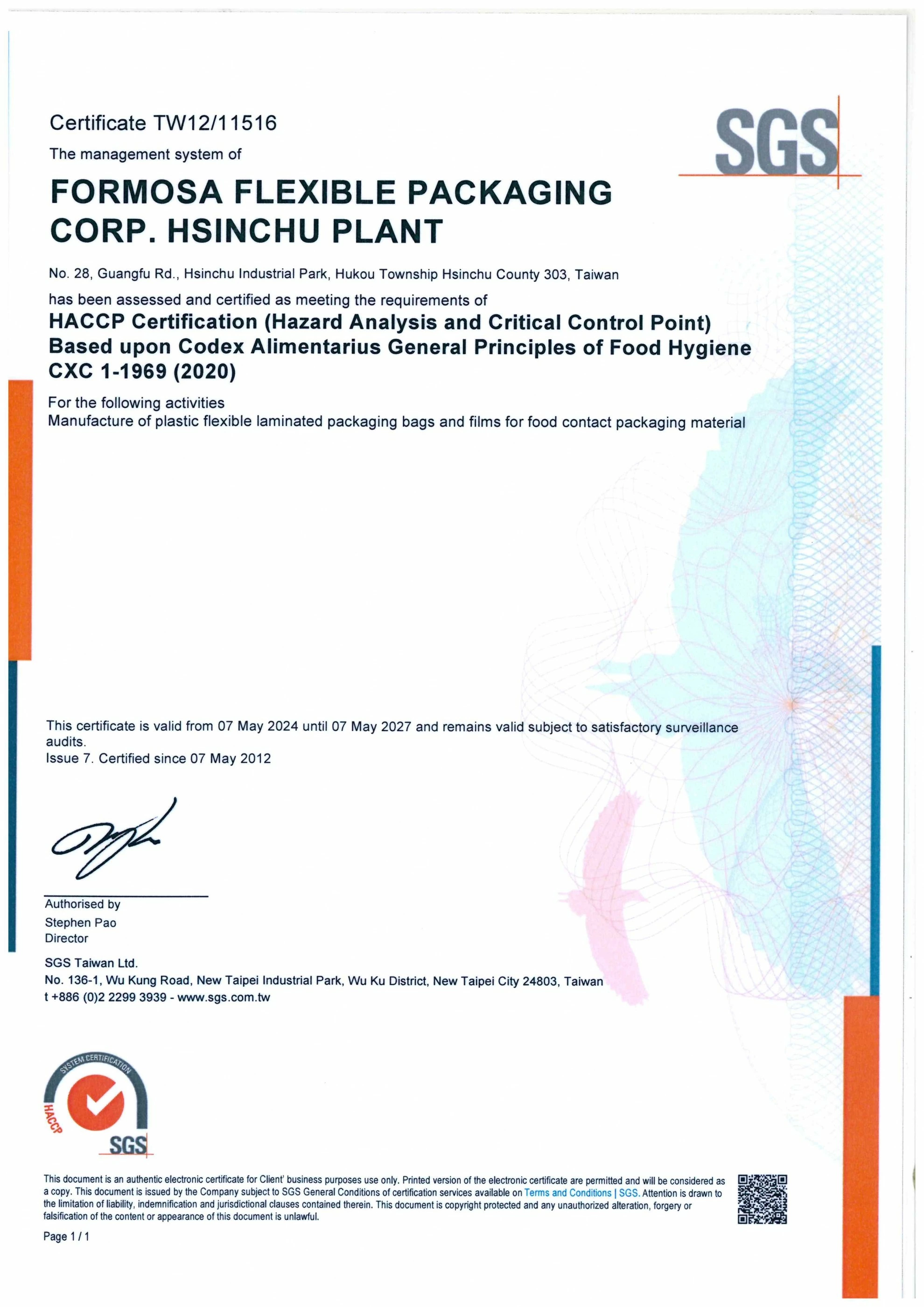
During the transition process, choosing a well-prepared manufacturer partner can save a lot of trouble. Following the regulatory announcement, Formosa Flexible Packaging has systematically prepared PVC-free alternatives, including certification and production capacity for food-grade materials such as A-PET and composite laminated pouches.
This means that enterprises do not need to start looking for solutions from scratch, nor do they need to wait for manufacturers to develop and certify new packaging materials. Our ready-made solutions include:
Small-Batch Prototyping and Validation — Rapid completion of small-batch prototyping with detailed test reports
Certified Food-Grade Packaging Options — Available immediately with no additional certification waiting periods
Cost Optimization Under Annual Framework Contracts — Helping enterprises lock in procurement prices
Supply Stability Guarantee During Transition — Priority production scheduling and emergency contingency plans
End-to-End Technical Support — Comprehensive assistance from solution selection to mass production
The experience accumulated over the past 60+ years in packaging manufacturing allows us to quickly understand the transition needs of enterprises and provide practical, effective solutions. If you are looking for packaging manufacturer recommendations, Formosa Flexible Packaging's core strength lies in this accumulated experience and systematic preparation. The transition doesn't have to be complicated; choosing the right manufacturer partner makes everything more efficient.
V. What to Look for in a Packaging Supplier
During the transition process, the choice of manufacturer is crucial. A good manufacturer is not just a product supplier but should be a partner throughout the transition process.
When evaluating a manufacturer, first look at how much practical experience they have with PVC-free alternatives. What scale of enterprises have they served? What industry cases have they handled? What was the progress of those transitions? these factors reflect whether the manufacturer truly understands the needs of an enterprise. Second is their prototyping and validation capabilities. A good manufacturer can quickly complete small-batch prototyping, providing detailed test data rather than just going through the motions, allowing the enterprise to make an informed decision.
This is especially true if your product involves customized needs for laminated pouch design; the manufacturer's understanding of the design process and related craftsmanship becomes even more critical. A recommendation from an experienced manufacturer can help you avoid many design pitfalls.
Furthermore, consider supply stability. The biggest concern during a transition is a supply interruption, which can disrupt the entire plan. A good manufacturer should have an annual framework contract mechanism to ensure priority production scheduling and emergency contingency plans.
Finally, do not overlook their technical support. Packaging transitions often encounter unexpected problems; whether a manufacturer can respond and resolve them quickly is often more important than price in actual operations.
Instead of constantly comparing multiple manufacturers, it is better to find one capable and experienced manufacturer to establish a long-term partnership. The coordination costs with a single manufacturer are much lower than complex management of multiple suppliers, and quality consistency is easier to control, saving a lot of trouble in the long run.
VI. How to Plan the Next 3–6 Months
If you are considering or currently conducting a transition evaluation, establishing a clear timeline will be very helpful.
First, you should complete an inventory of your current PVC food packaging usage. List the sales volume, shelf life, and target markets for each SKU to clearly identify priorities.
Simultaneously, discuss with your internal team which products should be converted first. It is also important to conduct a preliminary budget assessment; by consulting with several manufacturers to understand cost ranges, you will have a clearer picture of the requirements.
Inventory current PVC food packaging usage
List sales volume, shelf life, and target markets for each SKU
Discuss transition priorities with the internal team
Within Three Months, you should initiate prototyping and certification preparations. Select 2–3 manufacturers for small-batch prototyping to obtain actual samples, which speak louder than any data. If food or other certifications are involved, begin preparing certification documents at the same time. The purpose of this stage is purely to verify the feasibility of the solution; there is no need to rush into a final decision.
Six Months to One Year, perform validation before mass production. Conduct small-batch market tests and collect consumer feedback. If necessary, fine-tune the packaging materials or production parameters. Establish a comprehensive supply chain plan and determine the specific schedule for the transition.
Throughout the entire process, maintaining communication with the manufacturer is critical. A good manufacturer will proactively remind you of steps you might have overlooked, and this proactiveness often helps prevent issues in the later stages.
VII. Frequently Asked Questions (FAQ)
1. Besides A-PET and composite laminated pouches, are there other emerging alternative materials after the PVC ban?
There are indeed new options on the market, such as biodegradable films and plant-based composite materials, but most are still in the cost-optimization stage and are not as mature as A-PET. Regulations also vary by region; in the short term, A-PET and composite laminated pouches remains the most practical choices. Formosa Flexible Packaging continues to track new materials, and once these emerging options mature, they will serve as excellent supplementary solutions.
2. Food packaging regulations keep changing; how should companies respond in the long term?
Choosing a manufacturer partner that actively tracks regulations can provide early warnings. Secondly, international standard materials like A-PET have a lower risk of sudden regulatory changes. Third, include a "regulatory change adjustment mechanism" in your contracts. In the long run, establishing a forward-looking relationship with a manufacturer protects a company's interests much better than blindly choosing the cheapest option.
3. What are the most common failure cases in the packaging transition process?
Common failures include: rushed decisions leading to incompatibility between packaging materials and equipment, insufficient prototyping/validation causing mass production quality issues, lack of communication with manufacturers leading to supply disruptions, and ignoring consumer testing resulting in low market acceptance. The most common pitfall is focusing only on price while neglecting technical support. Most failures can be avoided through early planning, thorough prototyping, and maintaining open communication.
4. Can A-PET’s transparency and printing effects match those of PVC?
A-PET transparency is comparable to PVC, and consumers usually cannot tell the difference. Regarding printing, certain special gloss effects may require process adjustments, but professional prototyping and color management can fully meet brand requirements. The manufacturer's printing experience and equipment are critical; conducting prototyping validation with your manufacturer is the most direct way to confirm the effect.
5. Will switching to new packaging materials affect existing product certifications?
Changing packaging does not necessarily require re-certification, but you must confirm that the new material meets the original certification standards. Certain specific certifications may require new material inspection reports. It is recommended to confirm requirements with the certification body or manufacturer early to avoid discovering late in the process that extra certification is needed, which wastes time and money. This is a key reason for early planning.
Transition is inevitable, but it doesn't have to be rushed. Throughout this process, the key is to prepare early, choose a reliable partner, and validate solutions step-by-step.
Experience from many companies that have already initiated their transition shows that a well-planned conversion typically does not negatively affect business operations. The priority is to start moving rather than waiting for the perfect timing.