

Contents
I. Industry Position and Legacy
1-1 A Solid Foundation for Steady Growth
Founded in 1963, Formosa Flexible Packaging Corp has specialized in flexible packaging and laminated bag manufacturing, becoming one of Taiwan’s most reputable packaging companies. Originally part of Wei Chuan Foods’ packaging division, the company’s major shares were acquired by Hotai Motor in 1965. By inheriting a pragmatic and steady management philosophy, we have continued to grow sustainably amid market fluctuations and competition. This corporate DNA not only preserves our deep commitment to quality but also shapes our culture of long-term trust and partnership with clients.1-2 Core Elements of Consistent Quality
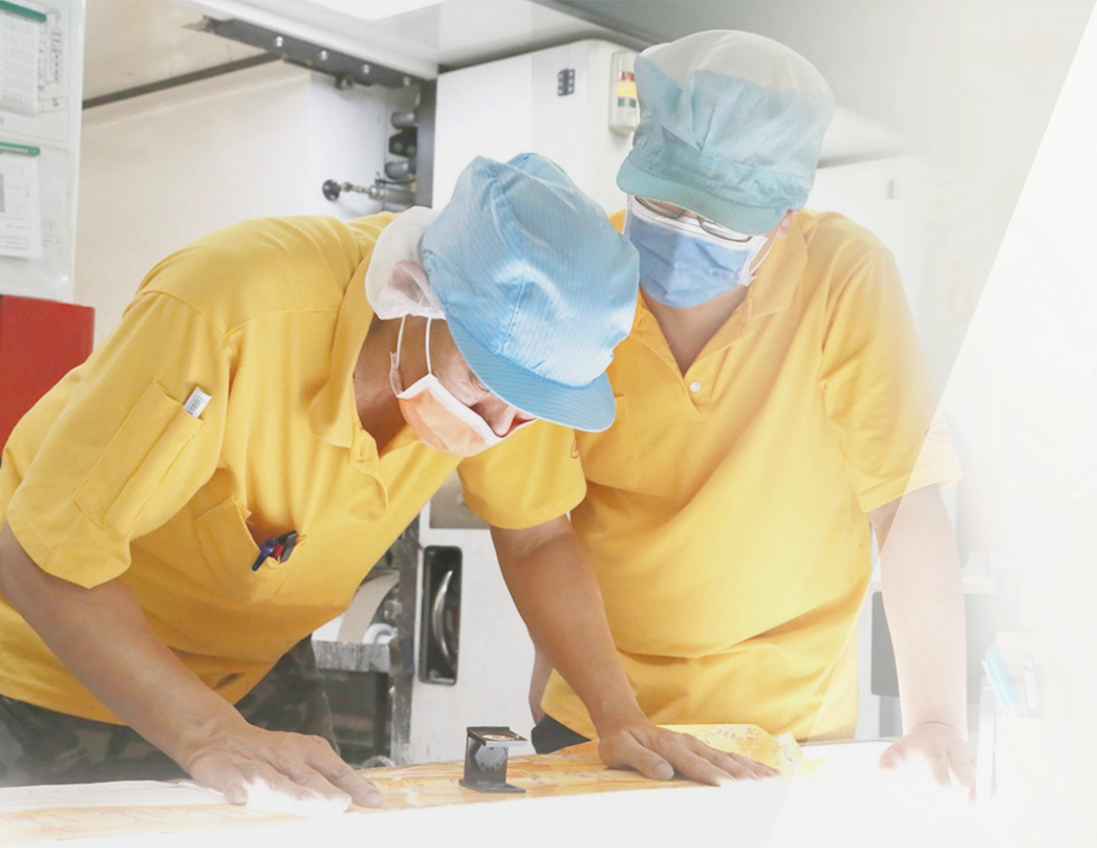
For over six decades, we have continuously invested in automation equipment and precision inspection instruments, introducing advanced international manufacturing processes. From raw material inspection to gravure printing, lamination, and final bag-making, every step follows standardized quality control procedures. This ensures consistent product quality, significantly reduces defect rates, and provides procurement and technical teams with a stable and reliable supply. Partnering with us means minimizing the risks of returns and delays caused by packaging issues—ensuring your products reach the market smoothly.II. Professional Insights into Laminated Bags and Flexible Packaging
2-1 What Is a Laminated Bag? Structure and Advantages
A laminated bag is a type of flexible packaging made by bonding two or more different materials into a multi-layer film—one of the core products of Formosa Flexible Packaging Corp. Each layer serves a specific purpose:Outer Layer (Printing Layer):Provides visual appeal and scratch resistance; commonly PET or OPP.
Middle Layer (Barrier Layer):Provides protection against oxygen, moisture, and light; common materials include AL (aluminum foil), VMPET (metalized PET), EVOH, and PA (nylon).
Inner Layer (Sealing Layer):Inner Layer (Sealing Layer)
Key Advantages:
2-2 Common Structures and Applications (Examples)
| Lamination Structure | Features | Typical Applications |
|---|---|---|
| PET/AL/PE | High barrier, lightproof | Coffee beans, tea, spices, powder products |
| PET/AL/PE | Mid-high barrier, metallic finish | Snacks, seasoning powders |
| NY/PE 或 NY/RCPP | Puncture-resistant, low-temperature resistant | Frozen dumplings, seafood |
| PET/NY/PE | Balanced strength and flexibility | Pet treats, pellet feeds |
- High Barrier:Prevents oxidation and moisture to maintain freshness and performance.
- Lightweight:Reduces transportation costs and carbon footprint.。
- Highly Customizable:Options include zippers, tear notches, degassing valves, windows, and hang holes.
-
2-3 Applications Across Industries
- Food / Agriculture:Focus on aroma retention, moisture control, and sealing consistency; common types include zipper stand-up pouches, side-seal bags, and three-side seal bags.
- Biotech / Medical:Emphasis on cleanliness and batch consistency with high barrier stability.
- Electronics / Semiconductors:Moisture-proof and anti-static, with traceability via lot number, barcode, or printed data.
- Consumer / Industrial Goods:Balance between presentation and durability; tear notches, hang holes, and vivid gravure printing enhance shelf appeal.
- Pet Food / Feed:Large capacity, tear resistance, easy to open; recommended degassing valve and reinforced handle.
- Battery / Energy:Focus on barrier and chemical compatibility; collaboration with technical teams required.
2-4 Customization and Bag Types
Roll Film:For high-speed automatic packaging lines; efficient for mass production.
Bag Formats:- Three-Side Seal / Pillow Type: Highly versatile, fast lead time.
- Stand-Up Zipper Bag: Excellent display and resealability.
- Side Gusset / Eight-Side Seal Bag: 3D appearance for better shelf visibility.
- Retort Pouch: Suitable for high-temperature sterilization (requires RCPP or heat-resistant layers).
2-5 Specification Checklist (For Procurement)
- Basic: Product type / net weight, dimensions, bag or roll type, estimated volume & lead time.
- Material: Barrier level, light protection, puncture and temperature resistance.
- Printing: Color count, gloss/matte finish, key visuals, regulatory label areas.
- Processing: Zipper, tear notch, hang hole, valve, window, embossing, perforation.
- Testing: Seal strength, drop test, COF, oil/salt resistance (as applicable).
III. Professional Expertise in Printing Technology
3-1 Why Choose Gravure Printing?
Gravure printing controls ink volume through recessed cells, offering exceptional stability for solid backgrounds, gradients, and fine lines. For both procurement and design teams, this means:- Consistent Color Accuracy:Maintains color stability during long production runs.
- High Detail Precision:Delivers fine image resolution and sharp small text.
- Cost Efficiency for Mass Production:Durable cylinders make large-scale printing more economical.
3-2 Equipment Capability and Material Compatibility
- Color Configurations: 3-color, 4-color, 7-color, and 9-color setups for complex brand visuals.
- Material Compatibility: Plastic films (OPP, PET, NY, CPP, PE), metal foils (AL, VMPET), and laminated papers.
- Post-Lamination Options: Compatible with dry or solvent-free lamination for optimized barrier performance and tactile feel, forming a strong base for subsequent bag-making.
3-3 Technical Options: Reverse vs. Surface Printing
- Reverse Printing (Inner Printing): Ink is sandwiched between the film and lamination layers, offering abrasion, scratch, and heat resistance with a glossy finish—ideal for food, daily goods, and high-turnover products.
- Surface Printing: Ink is applied directly on the outer layer (paper/aluminum), reducing thickness and enhancing texture. Spot varnish, embossing, or protective coatings can be added for durability and visual appeal.
3-4 Proofing and Color Management (Key to Risk Reduction)
- Proofing: Provides small-batch press or digital samples to verify visual consistency and legibility.
- Color Standards: Based on brand colors or PANTONE guidelines, ensuring acceptable tolerance and minimizing mass-production discrepancies.
- Inspection Focus: Barcode clarity, legal text size, opening line placement, and critical imagery outside heat-seal zones.
3-5 Key Collaboration Points with Design Teams
- Interactions between transparent/matte films and metallic layers affect color perception—conduct print tests beforehand.
- For window designs, reserve unprinted areas during printing and lamination to prevent barrier layer breakage.
- Solid-color areas are prone to visible scratches—adjust ink density or add protective coating as needed.
IV. Packaging as a Long-Term Partner in Brand Value
4-1 Technology Innovation and Market Development
Formosa Flexible Packaging Corp not only advances technologies in laminated bags and gravure printing, but also implements automation and smart manufacturing systems to ensure stable processes and consistent quality. In parallel, we invest in recyclable materials and low-carbon processes so packaging meets functional needs while aligning with global sustainability trends—helping customers elevate brand value.4-2 Integrity, Quality, and On-Time Delivery
Since 1963, integrity has been our foundation, quality our core advantage, and on-time delivery our baseline commitment. From raw-material sourcing, printing, and lamination to bag-making and shipment, we enforce rigorous inspections to ensure every lot meets specifications. Choosing Formosa Flexible Packaging Corp means partnering with a supplier who provides expert input early in development, delivers reliably during production, and supports you after launch—your long-term, trusted manufacturer of laminated bags and strategic partner.➤Contact us now and let our expert team accelerate your time-to-market!
V. Frequently Asked Questions(Q&A)
Q1: How do I choose the right laminated bag structure?A1: It depends on the product characteristics (liquid, powder, oil, etc.), shelf life, distribution environment, and budget. We can provide comprehensive structure recommendations based on these factors.
Q2: What printing effects can be achieved?
A2: Beyond standard CMYK printing, we can produce metallic sheen, spot varnish, matte finishes, and transparent windows, with color adjustments tailored to each brand’s identity.
Q3: What is the minimum order quantity (MOQ)?
A3: MOQ varies by product specification and printing method. Gravure printing typically requires higher quantities. We offer flexible solutions depending on whether you need pouches or roll films.
Q4: What is the average lead time?
A4:The standard production lead time is approximately4–6weeks, depending on artwork confirmation, plate making, proofing, and scheduling. Rush orders can be discussed separately.
Q5: Do you provide samples or proofing?
A5: Yes. We offer digital color proofs or small-scale press samples to verify colors, materials, and bag formats before mass production.