

As global environmental regulations become increasingly stringent and consumer awareness of sustainability continues to rise, the packaging industry is undergoing a rapid transformation. Today’s brands must not only achieve sustainable packaging but also ensure aesthetically appealing designs and stable performance. By integrating three key technologies — biodegradable packaging materials, mono-material recyclability, and recycled-content packaging — companies can effectively comply with PVC restrictions, meet diverse international regulations, and strengthen overall brand image. The following sections will introduce the highlights and applications of these technologies, and explain how to stay competitive in the global shift toward sustainability.
Table of Contents
The Global Market Is Driving New Standards in the Packaging Industry
1-1 Sustainability and Circular Economy as Core Market Requirements
With growing global awareness of environmental issues,「“Sustainability”and“Circularity”are no longer just marketing slogans — they have become essential criteria for entering international markets. The EU, the United States, and Japan have all tightened regulations on packaging materials, plastic composition, and recycling systems, while Taiwan continues to align with these global trends.Under the dual pressures of climate change and limited resources, the packaging industry is undergoing a structural transformation. Material selection and process innovation now directly determine regulatory compliance and brand competitiveness.
1-2 Over Half a Century of Expertise, Transforming into Green Competitiveness
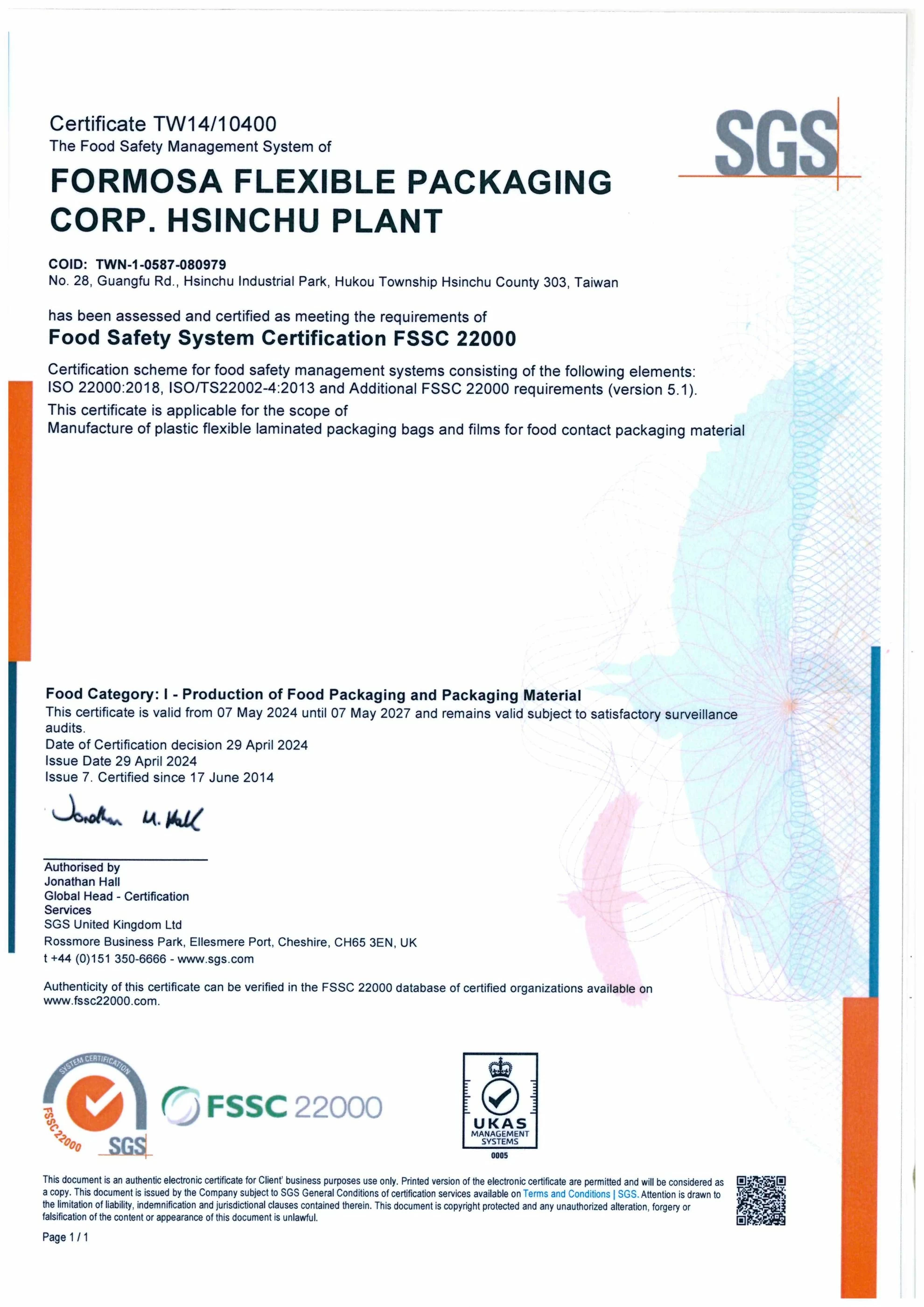
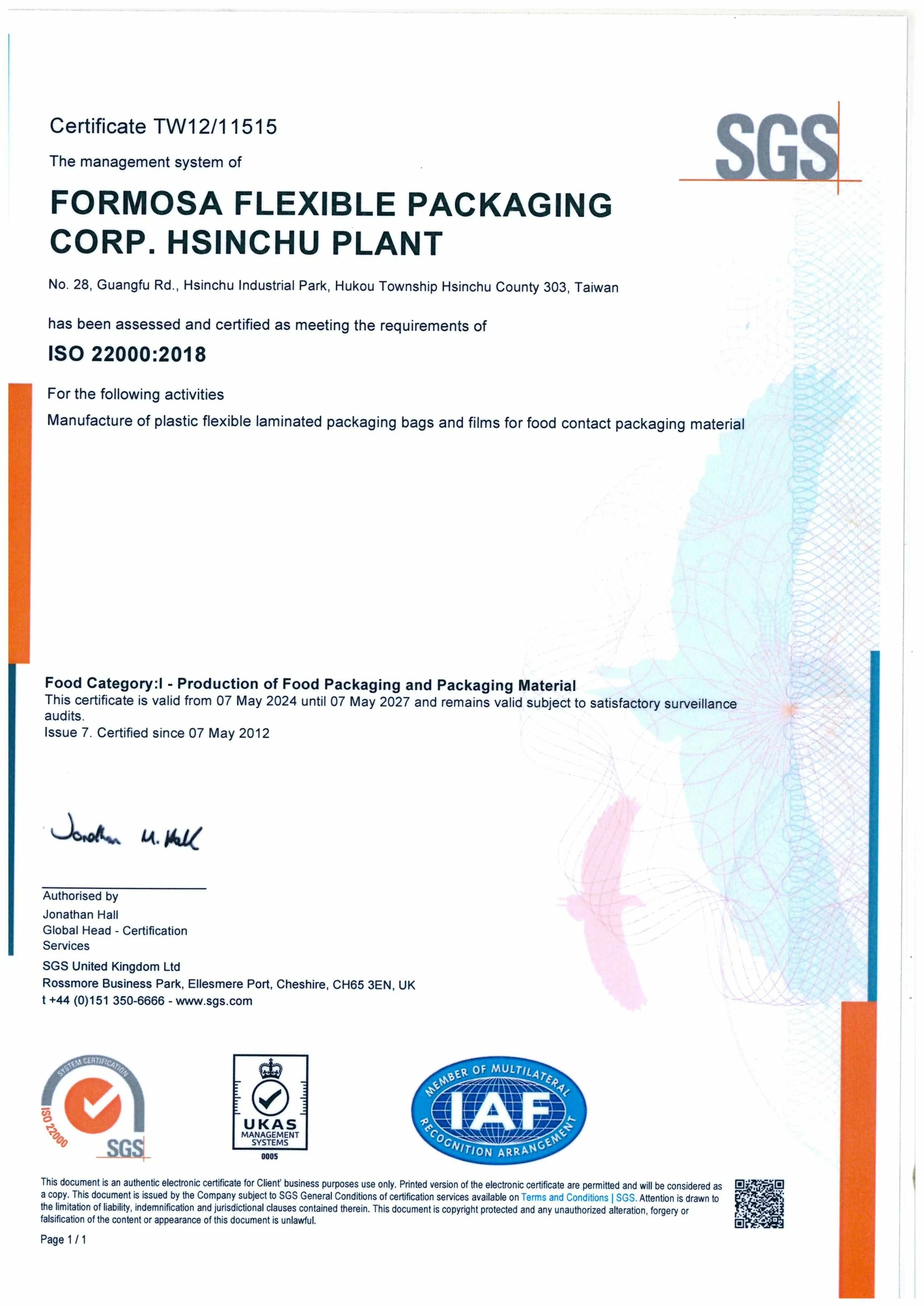
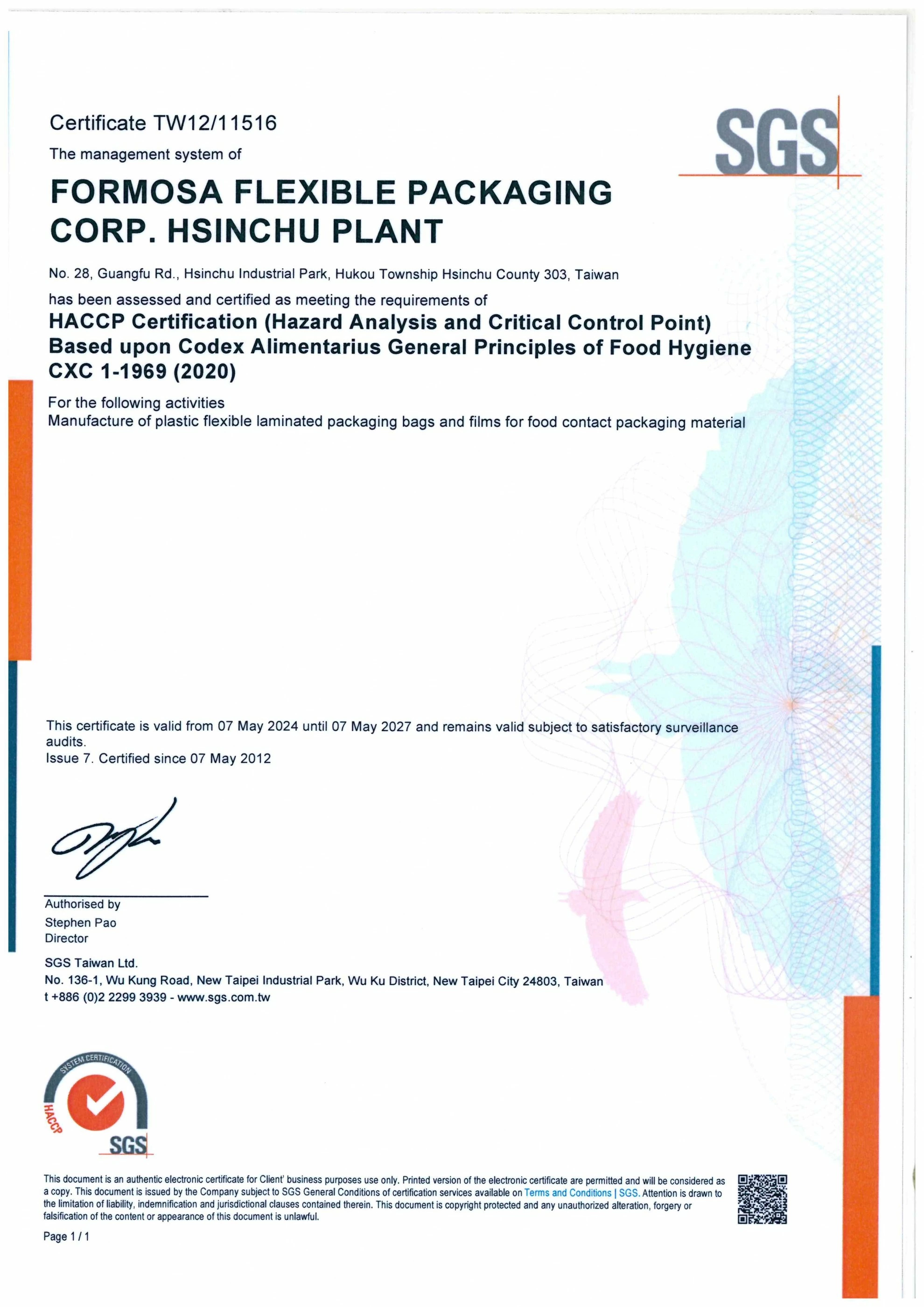
Formosa Flexible Packaging Corp has specialized in flexible and eco-friendly packaging for over 60 years, integrating ESG principles and carbon footprint management into its core operations.The company is certified underISO 14001、ISO 14064-1、ISO 14067has implemented advanced exhaust purification systems to effectively control VOCs emissions, demonstrating its firm commitment to sustainable packaging.。II. Three Core Technologies to Capture Global Market Trends
Eco-friendly packaging has become a basic requirement in global trade. Formosa Packaging offers three key solutions——biodegradable materials、mono-material recyclability——and recycled-content packaging—to meet multi-country regulations, shorten implementation time, and reduce overall costs.2-1 Biodegradable Multi-layer Packaging LÜ®
- Converts into fertilizer in soil and produces no harmful gases when incinerated, integrating seamlessly with natural cycles.
- Certified under multiple composting standards, achieving over 90% degradation within 12 weeks under industrial composting conditions.
- Three-layer construction provides high-quality printing, heat-seal strength, moisture resistance, gas barrier, and light protection.
- LÜ-K®features a natural kraft-paper appearance;LÜ-C®offers a premium metallic finish—combining aesthetics with sustainability for the high-end market.
2-2 MONO Series: Simplified Recycling with Single-Material Design
- Uniform single-material structure simplifies recycling and improves efficiency.
- Certified under EU-level recycling process standards, suitable for food, cosmetics, and FMCG applications.
- Retains printability and functionality, meeting upcoming single-material regulations across multiple channels—reducing unexpected conversion costs.
2-3 RR Series: Quantifiable Recycled-Content Packaging
- Utilizes PCR (Post-Consumer Recycled) and PIR (Post-Industrial Recycled) resins to reduce virgin plastic use and lower carbon footprint.
- Meets food safety requirements, enabling use in food-grade packaging.
- r-PET is ideal for printing layers, while r-Nylon offers high puncture resistance and 5–20% recycled content options.
- Quantifiable recycled ratios support transparent ESG reporting and brand communication.
2-4 Cross-Market Consistent Design to Reduce Supply Chain Risks
From the R&D stage, Formosa Packaging integrates multi-country regulatory and certification standards, enabling one unified solution across markets. This reduces repetitive development and testing costs while enhancing global supply chain stability.。III. How Should Brands Adapt Quickly After the PVC Ban?
Starting from July 2023, Taiwan officially banned the manufacturing, import, and sale of PVC-based food packaging (excluding health supplements approved under the “Health Food” label).In this context, food and nutritional supplement brands must swiftly identify alternative materials that ensure formability, barrier performance, heat-seal compatibility, and regulatory compliance.3-1A-PET Packaging Alternative Solutions
- Offers formability similar to PVC, allowing reuse of most existing molds, thereby reducing development cost and lead time.
- When paired with dedicated aluminum foil sealing, it ensures excellent sealing integrity and product protection.
3-2 A-PET/PVdC Enhanced Barrier Version
- PVdC pre-coating significantly enhances moisture and gas barrier properties, improving product shelf stability.
- Compatible with existing production lines, minimizing equipment adjustments.
- Available in both food-grade and pharmaceutical-grade options to meet diverse industry requirements.
3-3 Practical Implementation and Market Trend Alignment
An effective transition requires a comprehensive process—from material testing, line validation, and regulatory review to documentation preparation.By aligning with EU and Southeast Asian market regulations, companies can achieve multi-country compliance in a single development cycle, effectively reducing conversion risks and strengthening long-term market connectivity.IV. Eco-Friendly Packaging That Reflects Brand Quality
Many brands worry that adopting sustainable packaging might compromise visual appeal. During material development, Formosa Flexible Packaging Corp conducts printing compatibility tests and visual optimization on aluminum-laminated films to ensure both sustainability and aesthetics.。- Printing Tests: Conducted ink adhesion and abrasion resistance tests across various materials to ensure fine image detail and long-lasting durability.
- Eco-Friendly Ink: Uses printing inks compliant with food safety standards, significantly reducing VOC emissions.
- Brand Examples: Helped food and cosmetic brands achieve vivid color printing and selective gloss effects on sustainable materials—maintaining strong brand recognition and premium texture.
V. Reducing Risks and Increasing Value Through Sustainable Packaging
A complete implementation process should include needs assessment, prototyping, equipment validation, regulatory documentation, and mass production readiness. A well-structured process ensures both product quality consistency and time-to-market efficiency.Although the initial cost may be slightly higher, the long-term benefits—including waste reduction, lower carbon emissions, product safety, and enhanced brand reputation—far outweigh the short-term investment. Case studies show that after adopting eco-friendly packaging, brands experienced notable improvement in consumer perception, along with higher ESG ratings and easier market access in international regions. Implementing sustainable packaging is not just a compliance measure—it is a strategic investment for long-term global growth.
VI. Practical Q&A Guide for Eco-Friendly Packaging
Q1: Will adopting eco-friendly packaging affect product shelf life?A1: Test results show that its preservation performance is comparable to conventional materials, and the structure can be adjusted based on product characteristics.
Q2: If we currently use PVC packaging, do we need to change machines to switch to A-PET?
A2: In most cases, no machine replacement is needed. A-PET packaging has similar forming properties to PVC, requiring only minor adjustments to heat-sealing conditions and compatibility testing.
Q3: Can LÜ® biodegradable packaging be recycled in Taiwan?
A3: The material decomposes quickly under industrial composting conditions, and pilot programs are already underway in Taiwan. It can also be incinerated safely without releasing harmful gases.
Q4: Will printing on eco-friendly packaging look less vibrant?
A4: Formosa Packaging conducts ink adhesion and abrasion tests on different materials and uses eco-friendly inks to ensure vivid color and durability.
Q5: Are additional tests required for exporting to international markets?
A5: The company can assist in obtaining ASTM, EN, and FDA certifications, helping ensure that products meet regulations in Europe, the U.S., Japan, and other markets.